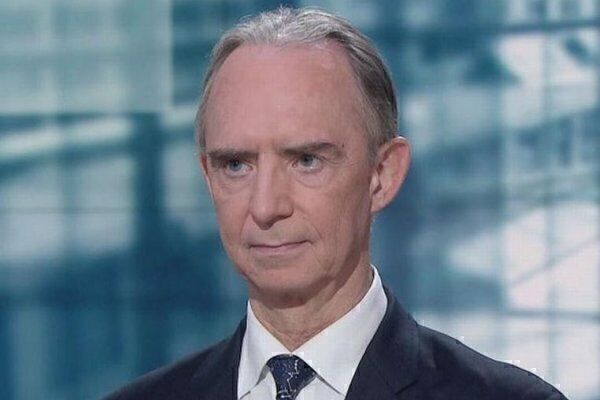
TABNAK reached out to Marc Finaud a senior advisor and associate fellow at the Geneva Centre for Security Policy (GCSP) and former French Foreign Ministry spoksman to discuss the recent developments in Iran-US exchange of messages.
Following is the full text of the interview:
Iran’s Foreign Minister, Abbas Araghchi, has stated that, under Iran’s latest response to a proposal that has been exchanged between Tehran and Washington several times, the Strait of Hormuz would reopen after six days, with negotiations beginning on the seventh day. According to some reports, the United States had previously rejected this proposal. Does Araghchi’s reiteration of this plan indicate that Iran has put forward a revised or more recent proposal?
It is difficult to compare the Iranian proposals and the U.S. responses because, obviously and fortunately, not everything is made public. In such delicate negotiations, there is of course a part of rhetoric and public pressure, but every diplomat knows that successful conclusion requires secrecy and discrete interaction directly or through mediators. At the moment, the most important aspect is the fact that negotiations are actually taking place.
Iran has stated that its conditions for negotiations with the United States remain the same as those outlined in the Islamabad memorandum of understanding. Is the United States likely to return to those conditions?
It is a logical position on the part of Iran who would have a lot to gain from the full implementation of the Islamabad MoU. Unfortunately, there is no guarantee that the Trump administration will revert to that framework considering both domestic opposition to some of its provisions such as sanctions removal and Israeli pressure towards more military strikes against Iran.
Axios reported, one day before Araghchi’s latest remarks mentioned in the first question, that Qatar and the United States were awaiting Iran’s response. The report also suggested that Iran should submit its response before the U.S. midterm elections. Why is Washington emphasizing this particular timeframe?
It is clear that Trump is seeking any agreement that he could sell to his domestic audience as "full victory" to limit the expected losses in the midterm elections. In that sense, Iran is logically trying to use its leverage to extract a high price from a deal with Washington. However, it is far from sure that any deal would, by November 3rd, lead to the significant reduction of oil and gas prices that could help the Republicans.
Given that the United States considers its naval blockade of Iran effective, is a return to the negotiating table by Washington still a realistic possibility?
The Trump administration's doctrine is still peace by force and any significant success in reopening the Strait of Hormuz through military action would not encourage a return to negotiations. However, no one can imagine how a peaceful situation in the Strait could remain sustainable unless the coastal states such as Iran and Oman are involved in some arrangement.
Comments