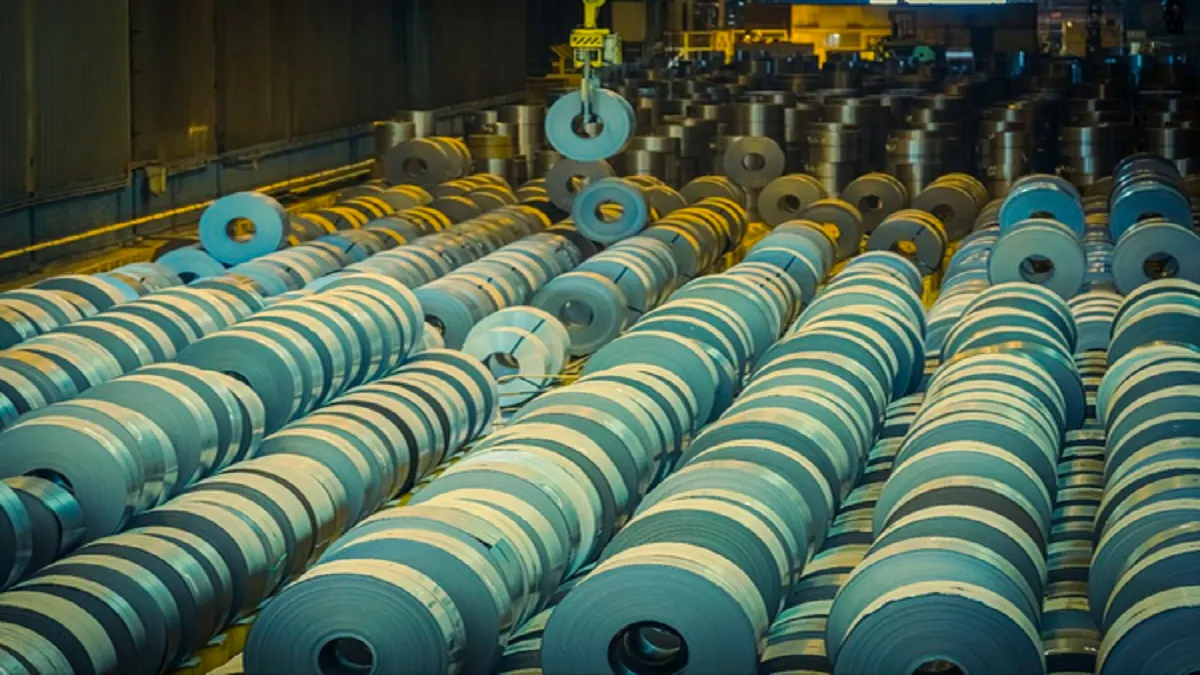
Last week, during a meeting with the CEOs of 15 steel companies and members of the Board of Directors of the Steel Producers Association, the CEO of Mobarakeh Steel called on steel companies to take measures to reduce the impact of the country’s ongoing inflation on steel product prices for the benefit of end consumers.
Since the beginning of this year, including throughout the height of wartime conditions and up to the present, this approach has been evident in Mobarakeh Steel Group’s market regulation policies. The voluntary reduction in the base price of hot-rolled steel sheets in the company’s offerings on the Iran Mercantile Exchange (IME) is a direct result of this sales policy. However, the CEO’s call for cooperation from all stakeholders across the steel value chain indicates that Mobarakeh Steel cannot shoulder the heavy responsibility of market regulation on its own.
Rising energy costs for steel producers, the significant increase in the price of direct reduced iron (DRI), and the lack of control over the end use of steel sheets purchased through the “Behinyab” system are among the challenges undermining Mobarakeh Steel’s voluntary efforts to stabilize the market. The failure to control DRI prices, coupled with its price discovery at 63000 tomans per unit on the Iran Mercantile Exchange, raises serious concerns about the future prices of billets and slabs and could have significant adverse effects on the production costs of steel products.
On the other hand, the diversion of steel sheets purchased through the Iran Mercantile Exchange from the production network, as well as the sale of steel sheets outside official distribution channels in neighboring countries, creates incentives for competitive bidding during hot-rolled sheet offerings. This situation calls for the immediate approval and issuance of regulations to ensure transparency in the sale of finished products across the steel value chain.
It must be acknowledged that Mobarakeh Steel has so far acted responsibly and successfully in supporting the public, both throughout the reconstruction of its production lines and in regulating the steel products market. However, continuing this course undoubtedly requires the cooperation of other stakeholders across the steel value chain, as well as relevant policymaking authorities.
Comments